
AiCoachU – Artificial intelligence is coaching you
Physical activity is one of the key contributors to health and quality of life. Running is popular and an efficient and affordable modality of physical activity. However, if done improperly, it may induce injuries leading to lower life quality and additional health and social costs. Therefore, it is important to provide tools for effective and injury-free physical activity. In the present study, a new generation of IMU sensors (smart) patches with considerably smaller dimensions and weight will be employed for rearfoot and pelvis stability measurement and their changes due to fatigue during running at different velocities and surface inclinations. This will be analysed through the pelvis and rearfoot motion patterns employing deep learning.
Results of the present study will show the eligibility for development of an on-line virtual running coach for safe running and for choosing the proper running shoes. The overall objective of the project is to demonstrate a successful recognition of fatigue onset and excessive pelvic and rearfoot mechanics at different running velocities and surface inclines using deep learning.
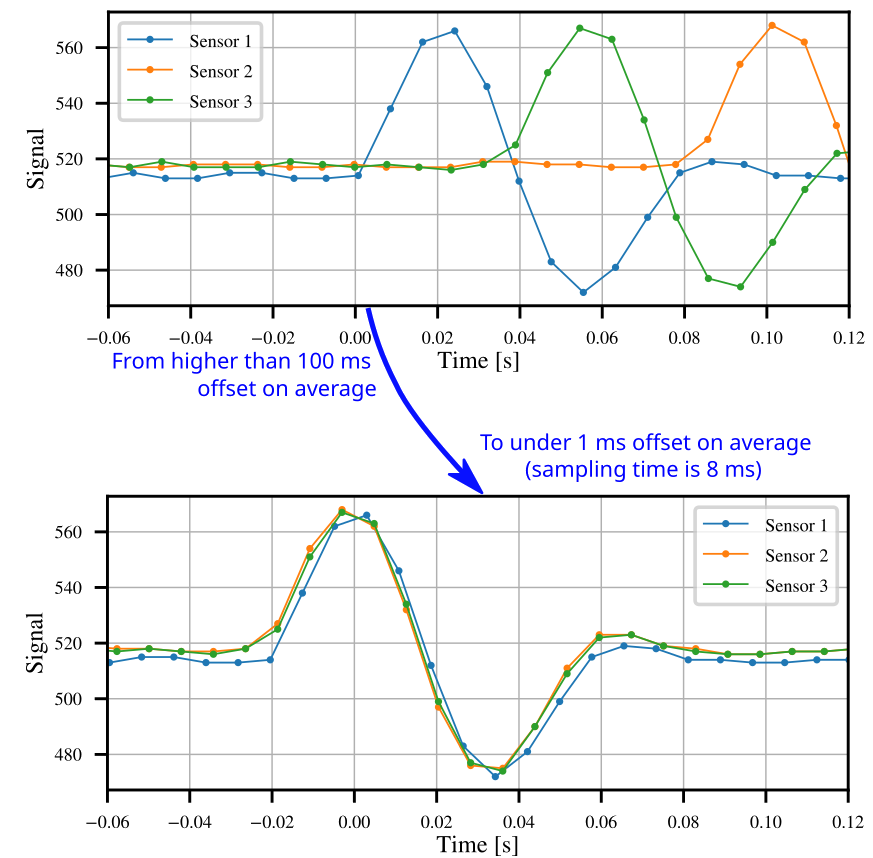
A software platform for capturing, storing, synchronization and processing of the captured data will be developed and will present an integral part of the project. The platform will be connected to the hardware data acquisition platform and will enable both automatic access to the data as well as access through a user interface.
Partners
Faculty of Electrical Engineering - University of Ljubljana (FE)
Faculty of Sport - University of Ljubljana (FSB)
Jozef Stefan Institute (JSI)
P-Lab team




Funding